Real Madrid vs Barcelona
Two cities, two philosophies, one European stage—where Spain's greatest rivalry goes global.

Zotteteen1 · CC BY-SA 3.0
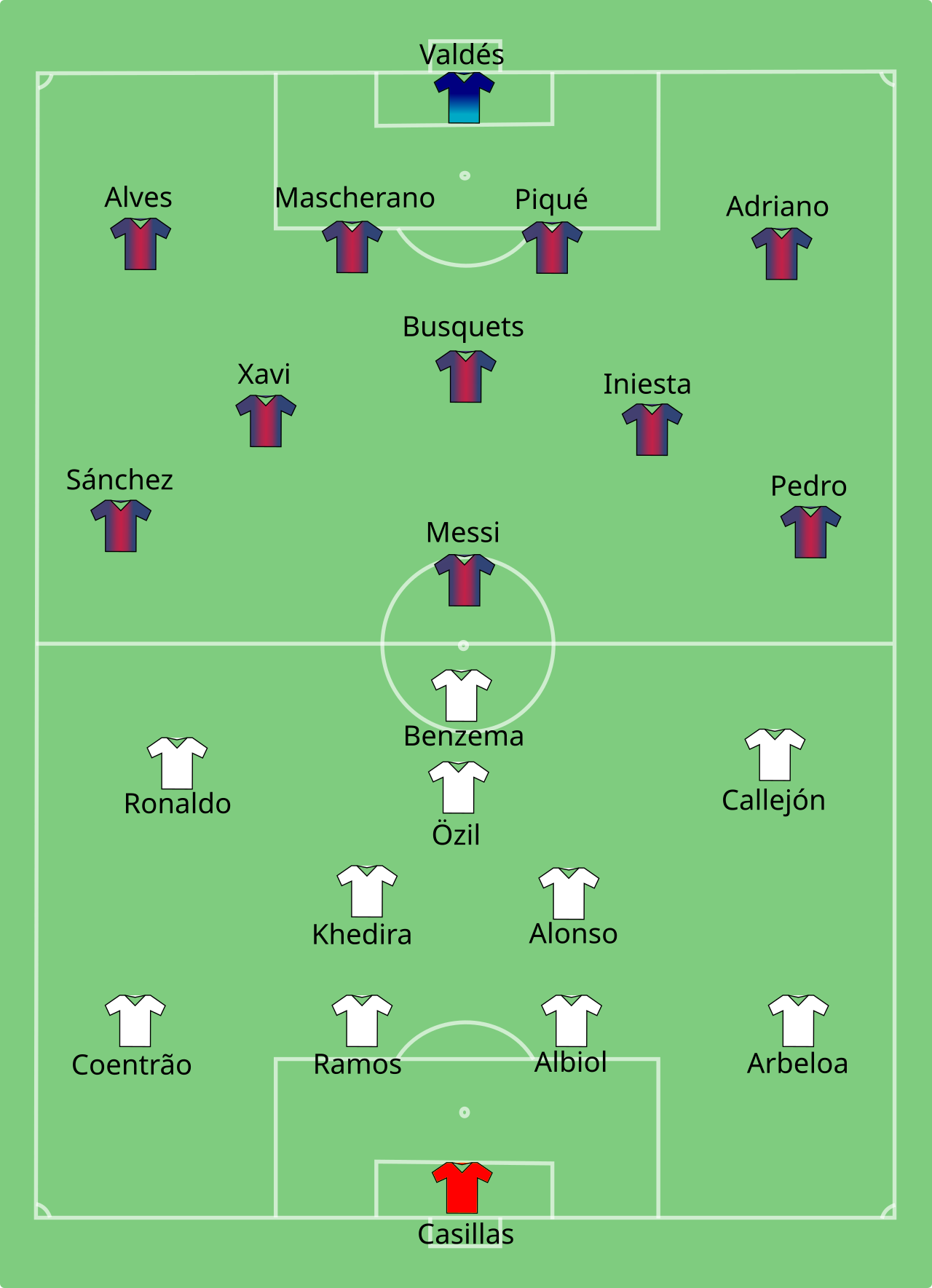
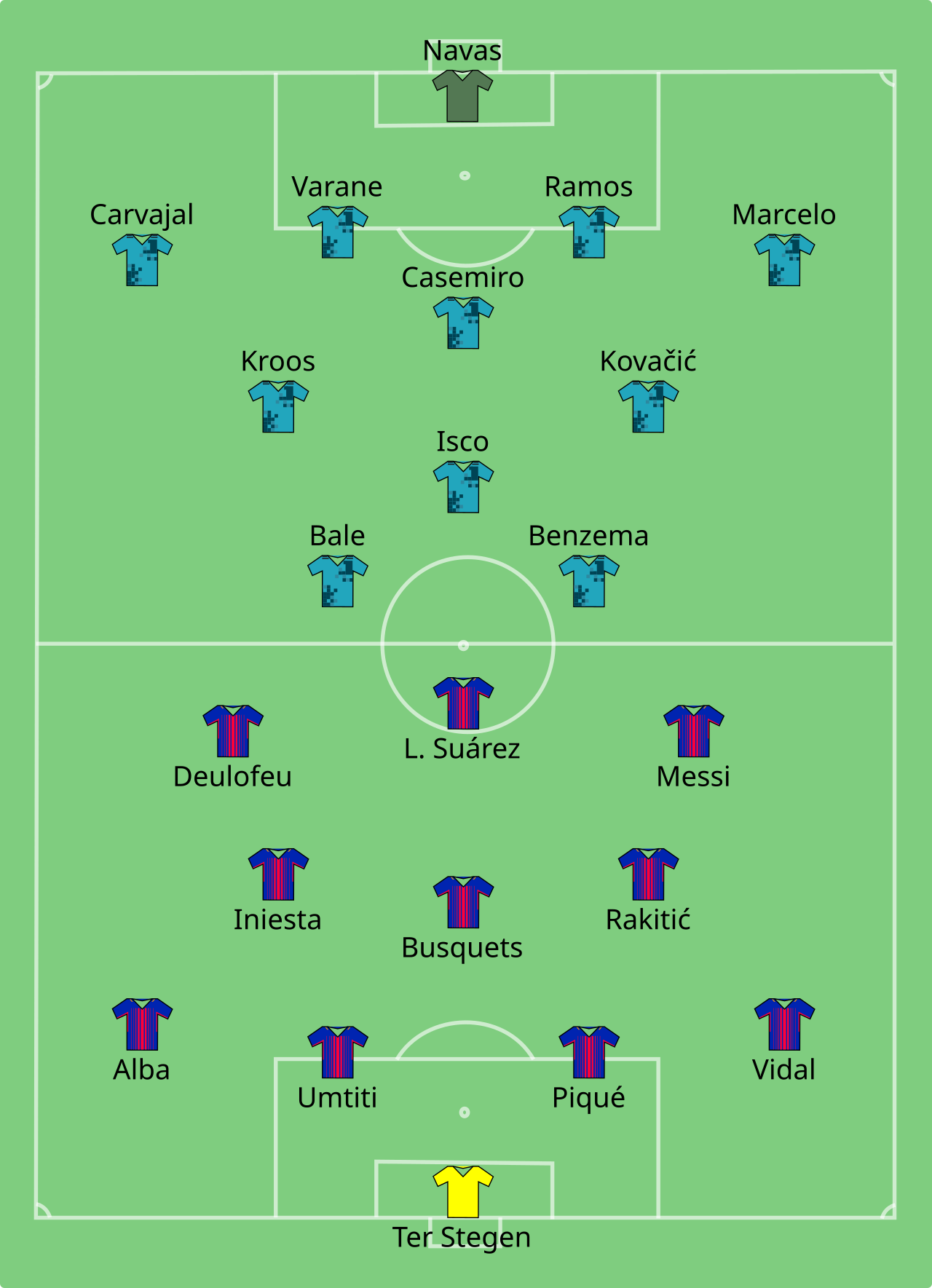
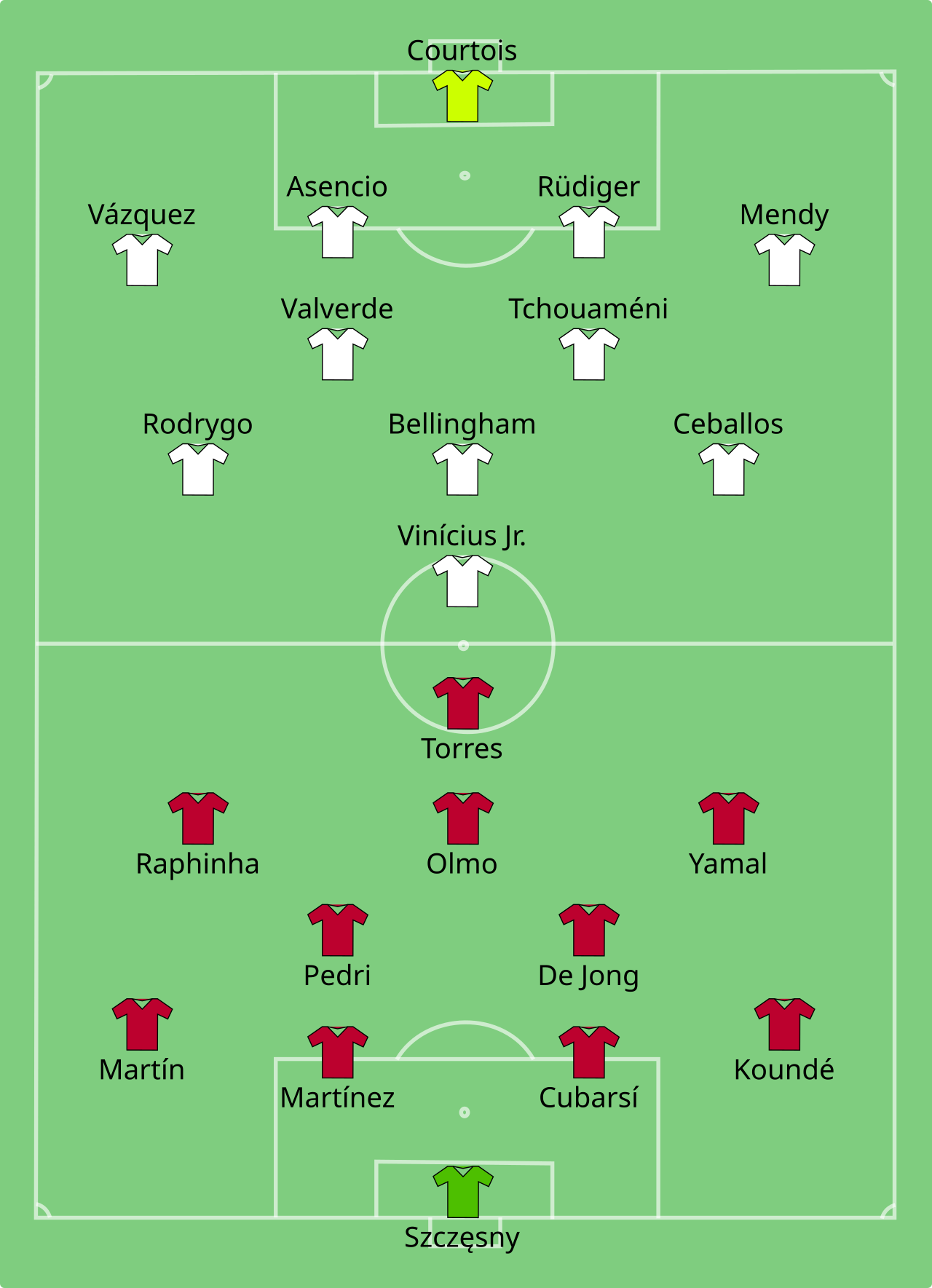
Real Madrid and Barcelona are the two most decorated clubs in Spanish football and, by extension, two of the most frequent and consequential opponents in UEFA Champions League history. Their meetings on the European stage carry a weight that goes far beyond a single match: they pit the capital's imperial, counter-attacking tradition against Catalonia's possession-dominant, technically expressive school of play. While the domestic fixture is universally known as El Clásico, their Champions League encounters—semi-finals, quarter-finals, and two finals—have produced some of the most electric nights in the competition's history. This rivalry is not merely a sporting contest. It is a collision of identities: Madrid as the political and cultural centre of Spain, Barcelona as the voice of a distinct regional identity. In Europe, that tension is amplified because the Champions League stage strips away the familiar home-and-away rhythm of La Liga and places both clubs in a single, high-stakes, two-legged (or single-match) crucible. The result is a rivalry that has shaped tactical trends, produced legendary individual performances, and defined entire eras of the competition.
- UCL finals contested between them
- 0
- 2009 Final result
- Barcelona 2–0 Manchester United
- 2011 Final result
- Barcelona 3–1 Manchester United
Lore & Background
The roots of the Madrid-Barcelona rivalry stretch back to the 1930s and the politics of the Spanish Civil War, but it was the European Cup era that elevated their clashes into myth. Real Madrid's dominance of the 1950s and 1960s, built on the Di Stéfano and Puskás machine, established the club as Europe's benchmark. Barcelona, long the runner-up in Europe, spent decades chipping away at that supremacy, finally breaking through in 1992 under Johan Cruyff and then entering a golden age in the 2000s and 2010s under Pep Guardiola and Luis Enrique. In the Champions League specifically, the rivalry crystallised in the 2000s and 2010s. The two clubs have never met in a European Cup or Champions League final, despite persistent speculation to the contrary. They have, however, clashed in several memorable knockout ties, including semi-finals in 1960, 2002, and 2011. The cultural dimension cannot be overstated. A Madrid-Barcelona Champions League tie is watched by audiences across the Spanish-speaking world, in Latin America, and well beyond. The players are aware of the narrative they inhabit: Cristiano Ronaldo's late goals, Messi's impossible free-kicks, the tactical chess of Carlo Ancelotti against Pep Guardiola, the generational handover from the 2000s icons to the 2020s stars. Each meeting is a chapter in a story that has no planned ending.
In Their Own Story
The tunnel at the Allianz Arena is narrow, fluorescent-lit, and smells of wet grass and deep-heat rub. On one side, the white shirts are lined up, their breath fogging in the May cold; on the other, the blue and garnet. A Barcelona midfielder taps his boots against the concrete, eyes closed, counting something—breaths, maybe, or the number of times he's walked this exact stretch of corridor. The Madrid captain leans against the wall, jaw tight, whispering to the goalkeeper beside him. Above them, through the concrete ceiling, you can hear the murmur of seventy thousand voices building like a tide. The referee's whistle will cut through that sound in ninety seconds, and for ninety minutes the only language that matters will be the thud of a boot on a ball, the scream of a tackle, the roar that follows a goal. Two cities. One pitch. Everything else is noise.
Reader's Guide
The Madrid-Barcelona Champions League saga truly ignites in the 2000s, when both clubs are in sustained European contention. Before that, their European meetings were sporadic—quarter-final and semi-final ties in the 1990s and early 2000s that, while competitive, did not carry the same narrative gravity. The 2002 semi-final is a landmark: two drawn legs and Real Madrid advancing on penalties, a reminder that the capital's European pedigree ran deeper. Then came the 2009 final in Rome, Barcelona's 2-0 victory, and the 2011 final at Wembley, a 3-1 Barcelona win that completed their treble. Those two finals bookend a period in which the pair also met in semi-finals—2019 saw Barcelona eliminate Real Madrid with a commanding 3-0 first leg, while in 2023 the roles reversed and Madrid sent Barcelona home. Tactically, the UCL ties have been laboratories. Guardiola's Barcelona against Ancelotti's or Mourinho's Madrid produced some of the most studied tactical battles in the competition's history: pressing triggers, width versus depth, the use of a false nine against a high defensive line. The cultural weight is inseparable from the football. A Champions League tie between these two is never just a tie; it is a referendum on which philosophy, which city, which identity will define a generation of European football. What makes the UCL version distinct from El Clásico is the format. Two legs, or a single final, compress the rivalry into a shorter, higher-stakes narrative. There is no comfort of a return fixture three weeks later. Every pass, every set-piece, every substitution carries the weight of a season's European campaign.
Did You Know?
- Despite being two of the most successful clubs in Champions League history, Real Madrid and Barcelona have never faced each other in a European Cup or Champions League final.
- In the 2011 semi-final second leg at Camp Nou, Lionel Messi scored a stunning solo goal, dribbling past four Real Madrid defenders to seal a 1-1 draw and send Barcelona to the final.
Gallery
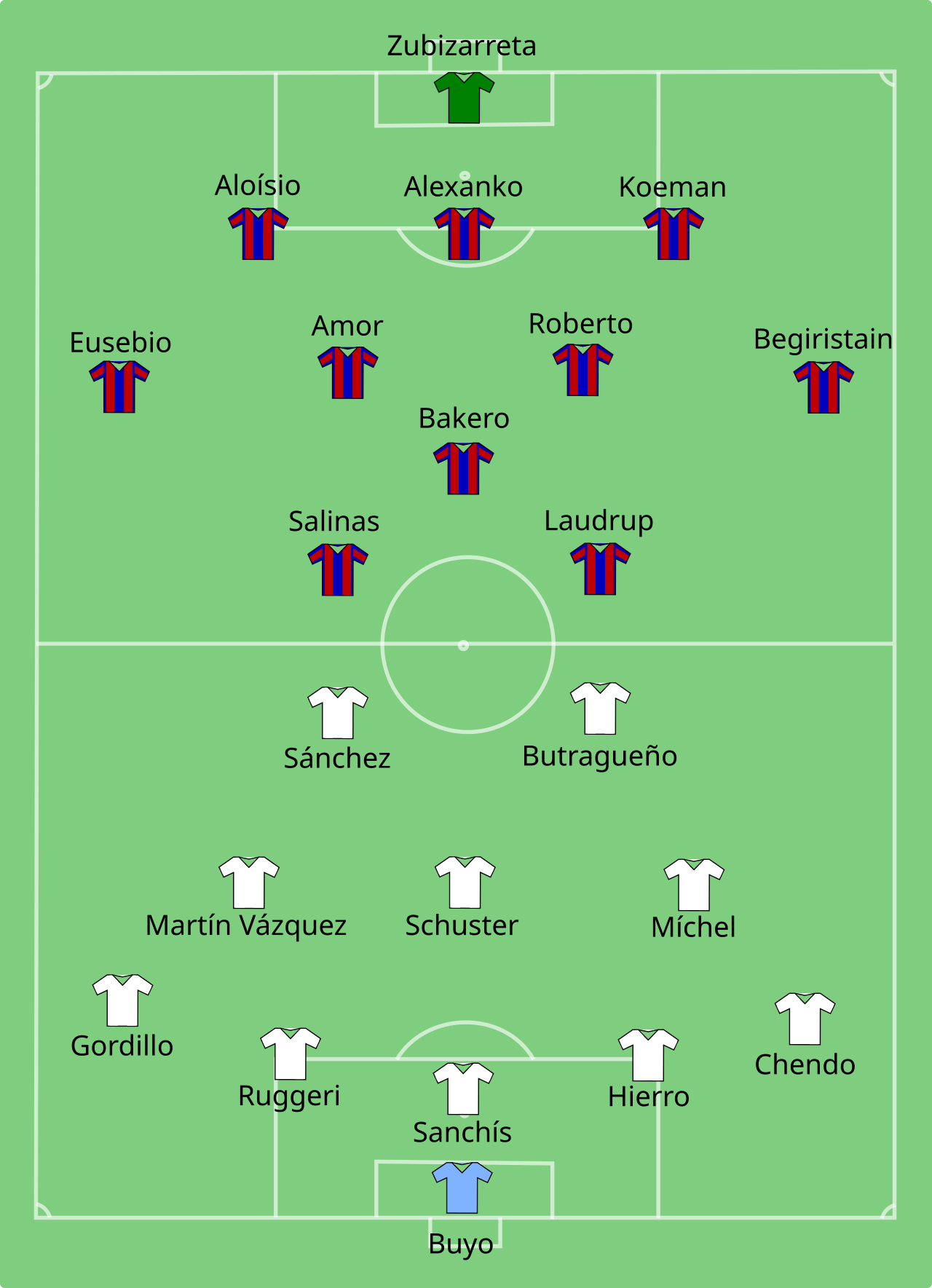
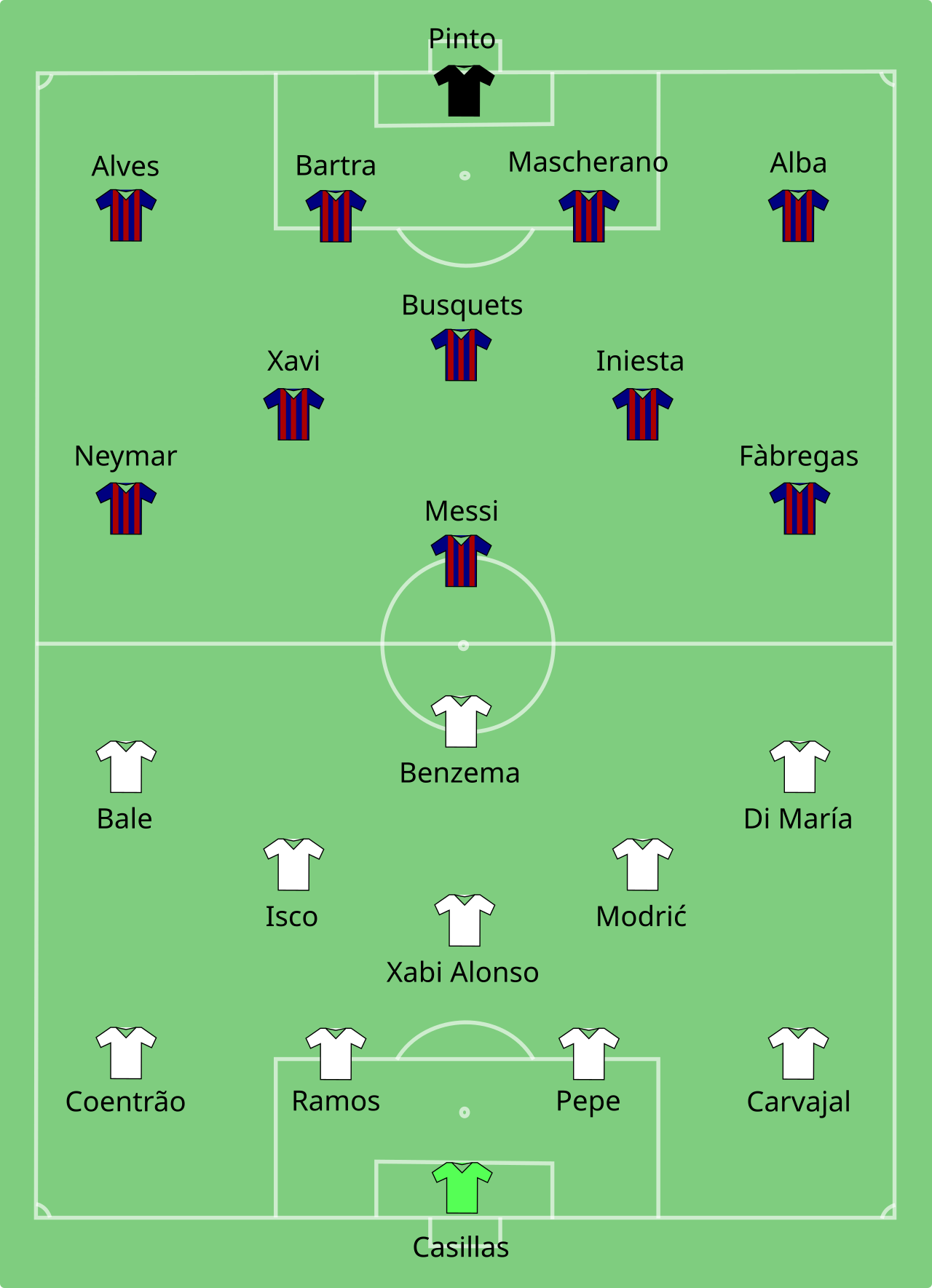
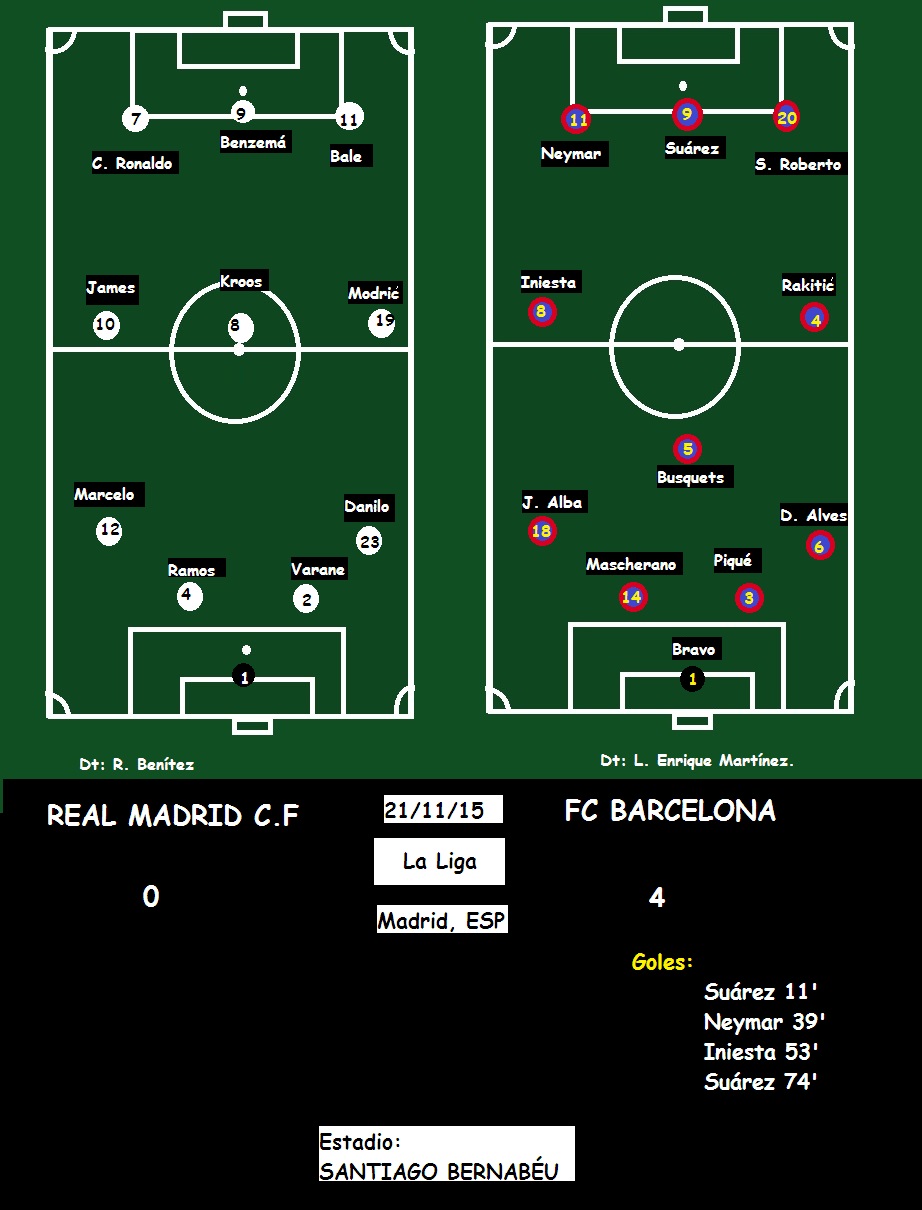
Frequently Asked Questions
What is the Real Madrid vs Barcelona rivalry in the Champions League?
It is the European-stage extension of El Clásico, pitting Madrid's counter-attacking, imperial tradition against Barcelona's possession-heavy, technically expressive style. The two clubs have clashed in UCL quarter-finals, semi-finals, and two outright finals, making them among the most consequential opponents in the competition's history.
How many Champions League titles do Real Madrid and Barcelona have?
Real Madrid hold a record 15 European Cup and Champions League titles, while Barcelona have lifted the trophy five times. Both sit at the very top of the competition's all-time honours list.
Have Real Madrid and Barcelona ever met in a Champions League final?
Yes—they faced each other in two finals, in 2009 and 2011. Barcelona won both encounters, beating Madrid 2–0 in Rome and 3–1 at Wembley.
Why is the Real Madrid vs Barcelona Champions League rivalry important?
It puts two fundamentally different footballing philosophies and two of the world's most decorated clubs head-to-head on the biggest continental stage. Because both teams regularly reach the later rounds, their European meetings carry enormous narrative weight and draw a global audience far beyond Spain.
How is the Champions League version of the rivalry different from El Clásico?
El Clásico is the name reserved for their domestic league and cup meetings in Spain, whereas their European encounters are simply called UCL ties. The European format often raises the stakes further, since a single leg or two-legged tie can eliminate one side from the competition entirely.
More in Great Rivalries
Elsewhere in the UEFA Champions League universe
Spotted an error? Know more?
This is a living reference — every entry is fact-audited, and reader corrections feed straight into our audit queue. Suggest an edit · See this site's audit record